EOTC - Education Outside the Classroom Provider Learning Outcomes.
We specialise in helping schools deliver high-quality Education Outside the Classroom (EOTC) programmes.
Activities aligned with the Ministry of Education outcomes
Structured programmes or flexible options are available
Mix of instructor-led and self-led activities
Strong focus on safety and supervision
All activities are regularly audited and meet national safety standards, including Adventure Activity Regulations where required




At Camp: participants have the opportunity to challenge themselves and build Positive Formative Experiences that enhance their self-concept and improve their social skills. This sets them up for lifelong learning across the whole curriculum. No matter what challenges they may face in the future, participants learn they can do brave and hard things. Our motto for activities at One Big Adventure is:
“Outdoors, we can build and navigate life-skills, knowledge, values and attitudes using our heads and hearts to make decisions.”
How our EOTC learning environment/activities meet learning outcomes.
Our EOTC learning environment at Camp offers a wide range of adventure activities that create challenge and excitement by deliberately exposing participants to challenges. Their purpose is to enhance participant’s self-concept and improve their social skills. Adventure education can enable participants to exceed their previously perceived limits, so adventure education is a powerful medium for promoting personal growth and development (Priest, 1990).
How our EOTC Activity Leaders support participants to meet learning outcomes.
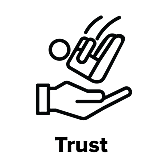
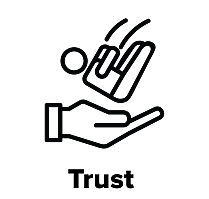
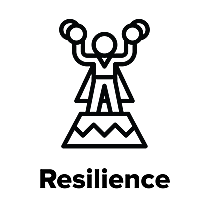
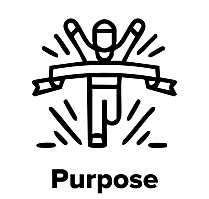
Activity Leaders are trained to articulate skills, knowledge, and attitudes we have identified as EOTC learning outcomes. To illustrate this, we have created 16 icons to depict in drawings and name EOTC skills, knowledge, and attitudes that are potential outcomes for each activity. You will see these icons on activity signs at each activity, showing 5 or 6 potential EOTC outcomes. These EOTC outcomes support learning in ways that are consistent with the vision, principles, values, key competencies, and effective pedagogy statements in the New Zealand national curriculum and EOTC guidelines. When we are informed of groups' own specific intended learning outcomes, our EOTC outcome icon system offers an easy way to find the activities that meet these expectations.
For instance, specific EOTC achievement objectives in the most relevant learning area of the New Zealand Curriculum, Health and Physical Education strands, relate directly to our EOTC icons.
The four strands of the Health and Physical Education Curriculum.
Just like all our EOTC outcome icons, these strands have skills, knowledge, and attitudes structure. They also foster the development of self-concept and social skills, the two key outcomes of adventure activity. Specific icons can easily be attributed to each strand.
Social-Skills are connected to the participants' Personal Well-being and their interactions and relationships with others:
Confidence - Connections - Leadership - Empathy - Trust - Inclusivity - Collaboration
Self-concept is enhanced during physical development challenges:
Empowerment - Resilience - Adaptability - Courage - Purpose
Self-concept is enhanced when participants think, feel, and choose challenging adventure activities that hone their motor skills, knowledge, and understanding about movement.
Curiosity - Communication - Critical thinking - Innovation
As well as:
Empowerment - Resilience - Adaptability - Purpose - Courage
Self-concept and a positive attitude towards physical activity.
The participant is empowered to feel the (heart) feeling, trust the equipment (head) and decide for themself. Instructors ensure participants experience “challenge by choice”* (that is, they are encouraged, not forced or pressured, to take part in activities in a supportive group environment). The goal is that participants leave with a positive attitude towards physical activity, with new confidence, courage, and resilience. This positive formative experience also offers the participant the transferable and, most importantly, the enduring feeling that,
“I can do brave things!”, “I can do hard things!”
Self-concept and social skills are enhanced by offering contributions to a healthy community and environments by taking responsibility and critical action.
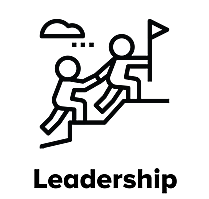
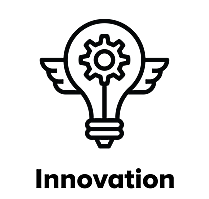
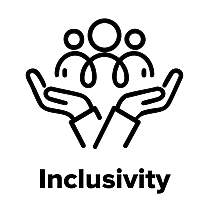
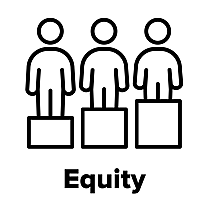
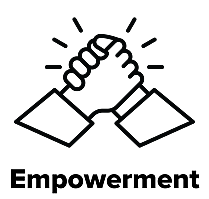
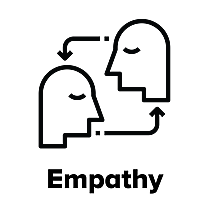

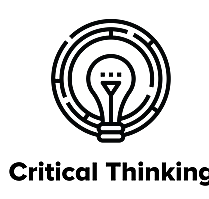
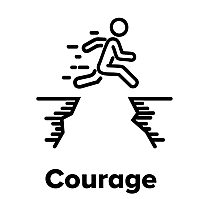

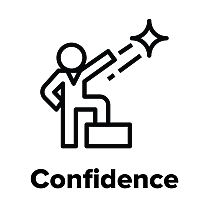
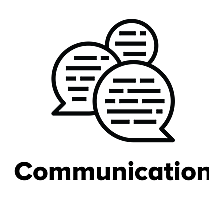
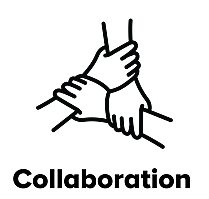
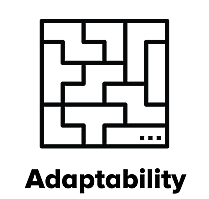
By talking about the icons that express the skills, knowledge, and attitudes your participants are learning, we’ll help them understand the value of their camp experience. They'll leave camp feeling empowered and ready to take on new challenges.
We're excited to share this adventure with you and your group!
QUICK LINKS
CONTACT
Office hours
Monday - Friday, 9 - 4
(09) 837 0494
info@onebigadventure.org.nz